Pickleball has grown from a backyard pastime into a social sport enjoyed by people of many ages and skill levels. A good match feels light, competitive, and social at the same time. Still, even a friendly game can lose its spark if players feel rushed, unprepared, or disconnected. Fun rarely appears by accident. It comes from thoughtful choices before, during, and after play. The following tips focus on atmosphere, preparation, mindset, and shared experiences that can lift every pickleball match from routine to memorable.
Choose the Right Space and Time to Play
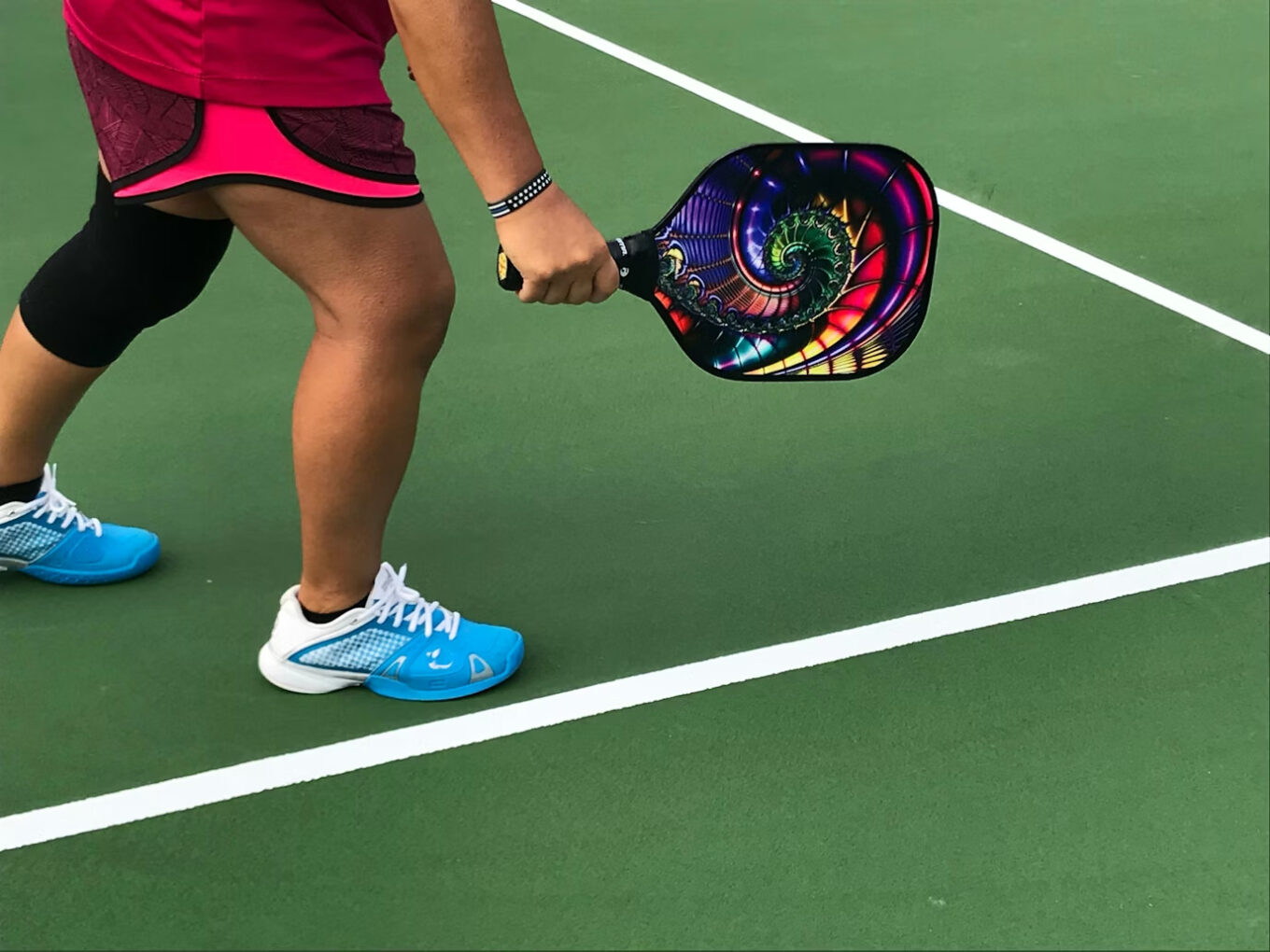
The setting of a match shapes how players feel before the first serve. Crowded courts, poor lighting, or awkward scheduling can drain energy fast. Renting a dedicated space often leads to a smoother experience, giving players room to focus on rallies and conversation rather than logistics. Many players search for ‘pickleball near me’ when planning group games, hoping to find indoor gyms or outdoor courts that offer flexible booking, clear boundaries, and predictable conditions. A reserved space allows everyone to arrive relaxed, warm up properly, and enjoy the rhythm of play without interruptions.
Timing matters just as much as location. Early mornings bring cooler air and quiet surroundings. Late afternoons tend to carry social energy and relaxed conversation. Matching the time of day with the group’s preferences helps set the tone. When players feel comfortable with where and when they play, the match starts on a positive note.
Set a Friendly Tone Before the First Serve
The mood of a pickleball match often starts before anyone touches a paddle. How players greet each other sets the tone for the entire session. A few minutes spent chatting, stretching, or even sharing a light joke can ease nerves and help everyone feel comfortable. New players might feel intimidated by a more experienced group, while seasoned players may want to focus on strategy. Taking a little time to connect ensures everyone steps onto the court with a relaxed mindset, ready to enjoy the game.
A brief conversation about expectations can prevent misunderstandings during play. Discussing how points will be scored, how serves will rotate, or whether the game is meant to be casual or competitive gives everyone clarity. Clear communication reduces the chance of tension during rallies and allows players to focus on the enjoyment of the match rather than on disputes or confusion. When expectations are aligned, each point can be played with a sense of fairness and ease.
Stretching or warming up together can also become part of the social ritual. Light movement not only prevents injuries but also creates opportunities for conversation and laughter. Sharing quick tips or small encouragements during warmups can build rapport, especially for players who are meeting for the first time. By starting with a friendly, inclusive atmosphere, players are more likely to carry positive energy throughout the match, making each rally more enjoyable and every victory or mistake feel part of a shared experience.
Mix Skill Levels Thoughtfully
Pickleball is one of the few sports where players of different abilities can share the same court and still enjoy meaningful rallies. Mixing skill levels encourages collaboration and learning while keeping the pace engaging for everyone. For newer players, being paired with someone more experienced can guide positioning, shot selection, and timing without feeling like formal instruction. At the same time, advanced players benefit from practicing patience, refining control, and discovering creative ways to maintain rallies with varied opponents.
Rotating partners regularly can make mixed skill play even more enjoyable. Switching teams every game allows players to experience different dynamics, learn new strategies, and build rapport with multiple partners. It also prevents matches from becoming one-sided or predictable. By sharing skills and perspectives, players often find themselves attempting shots or tactics they would not try alone, leading to more interesting and playful rallies.
Communication plays a big role when skill levels vary. Encouraging open conversation about play style, serve speed, and court coverage ensures everyone feels included. Constructive feedback, shared tips, or even gentle reminders during breaks help less experienced players improve while keeping the atmosphere positive. Over time, these interactions build confidence and trust on the court, making each match more enjoyable for the whole group.
Add Light Structure With Mini Challenges
A bit of structure adds spice to casual matches. Short challenges give players something to aim for without turning the game rigid. These ideas work well during longer sessions or social leagues.
- Play to a lower score for quick rounds that keep energy high
- Create a rally goal, such as ten hits without a miss
- Award a playful prize for teamwork or sportsmanship
- Rotate partners after each game to spark new dynamics
Challenges like these keep attention sharp and laughter close. The focus shifts from winning alone toward shared moments on the court.
Focus on Rally Quality Over Winning
One of the most enjoyable aspects of pickleball is the rally itself. Long, thoughtful exchanges can create some of the most memorable moments on the court. When players focus solely on winning points, rallies tend to become rushed, with aggressive shots aimed only at ending play quickly. Shifting attention toward the quality of each exchange encourages patience, strategy, and creativity. Players start to experiment with soft dinks, angled shots, and strategic placement, which not only improves skill but also makes the game more satisfying for everyone involved.
Celebrating well-executed shots, regardless of which team scores the point, creates a positive atmosphere. Applauding clever volleys or impressive serves shows appreciation for effort, not just the outcome. This approach motivates players to try new techniques and take calculated risks without fear of judgment. Long rallies often spark shared laughter and excitement, giving even casual players a sense of accomplishment when points are extended thoughtfully.
Focusing on rallies also benefits learning. Players notice patterns, strengths, and weaknesses in their opponents’ strategies, which can enhance future gameplay. Instead of fixating on the scoreboard, the attention moves to the feel of each shot, timing, and court positioning. Over time, this not only improves individual skill but also encourages teamwork and communication, as partners work together to construct meaningful exchanges.
Keep Equipment and Comfort in Check
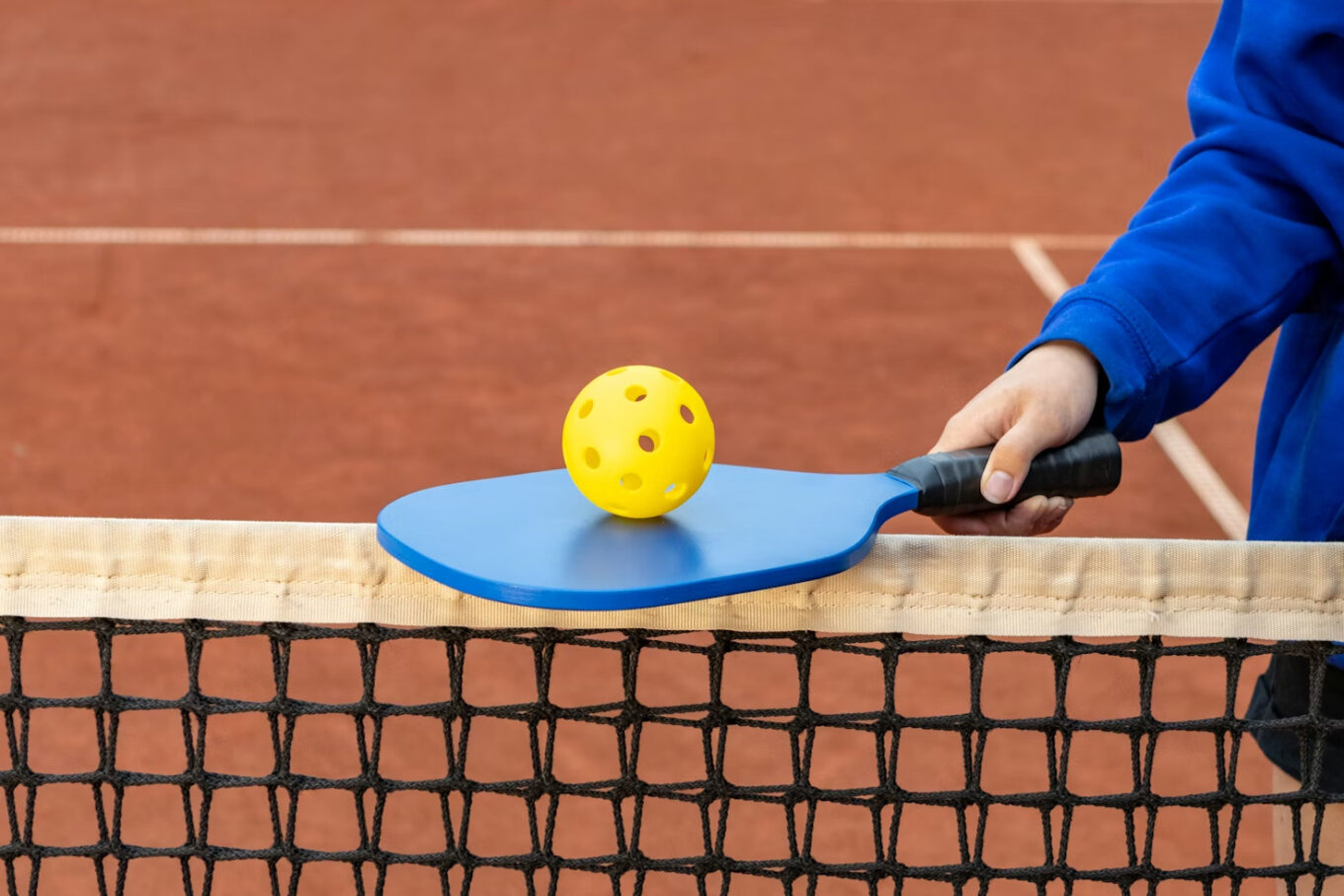
Comfort on the court directly affects how much players enjoy the game. Proper footwear is one of the most important considerations. Shoes designed for court sports provide traction, support, and stability, reducing the risk of slips, ankle twists, or foot fatigue during long rallies. Even small improvements, like cushioned insoles or moisture-wicking socks, can make a noticeable difference in endurance and agility. When players feel physically secure, they are more likely to attempt new shots and stay engaged throughout the match.
Choosing the right paddle and ball is equally important. Paddles come in different weights, grip sizes, and materials, each influencing control, power, and comfort. Using a paddle that suits a player’s style allows for smoother strokes and fewer mishits, making rallies feel effortless rather than frustrating. Fresh, high-quality balls bounce consistently, helping maintain rhythm and flow during points. Playing with worn or inconsistent balls can disrupt momentum and make games feel more stressful than fun.
Other practical details contribute to comfort and enjoyment. Staying hydrated is essential, especially during longer sessions or outdoor matches under the sun. Planning water breaks and having refreshments available keeps energy levels steady. For outdoor games, shade, sunscreen, and weather-appropriate clothing protect players from extreme temperatures or sunburn. Indoor courts offer protection from rain and wind, which can make gameplay smoother and more predictable.
Encourage Social Moments Between Games
Pickleball carries a social heartbeat. Breaks between games offer chances to connect. Sharing tips, joking about long rallies, or recalling great shots builds camaraderie. These moments often become the stories players remember long after the match ends.
Group photos or post-game snacks extend the experience beyond the court. Social ties turn regular games into anticipated gatherings. When players feel connected, they return with enthusiasm.
Keep the Spirit Light and Respectful
The atmosphere on the court is shaped as much by attitude as by skill. Maintaining a light spirit helps players enjoy the game even when points get intense. Simple gestures, like calling your own faults, acknowledging great shots, and giving credit where it is due, create an environment of trust and fairness. When everyone plays with honesty and respect, rallies flow more smoothly, and the focus stays on fun rather than frustration.
Mistakes are part of every match, and how players respond can define the mood for the entire session. Laughing off mishits, offering encouragement after missed shots, and remaining patient with slower players can transform tense moments into enjoyable learning opportunities. A positive reaction to errors not only reduces stress but also invites players to take creative risks, experiment with new shots, and develop their skills without fear of judgment.
Respect also extends to communication on the court. Speaking calmly, avoiding negative comments, and celebrating others’ successes contribute to a welcoming environment. Friendly banter and shared excitement over impressive rallies strengthen camaraderie and make each game feel more social. When respect and kindness are priorities, players are more likely to return, eager to continue enjoying the game with the same supportive group.
A fun pickleball match grows from many small choices. The right space, a welcoming tone, balanced play, and social connection all play a role. By focusing on comfort, communication, and shared enjoyment, every session can feel rewarding. Pickleball thrives when players value the experience as much as the score. With these simple tips, each match becomes a chance to connect, move, and smile together.